In traditional engineering, fabricating strong brackets, jigs, and manufacturing fixtures meant routing or milling them from solid blocks of aluminum or steel. While highly durable, this approach is expensive, slow, and adds significant weight to automation assemblies.
With the advent of Carbon Fiber Reinforced Nylon (PA-CF) and other advanced composites, FDM 3D printing can now replace milled metal parts for a fraction of the cost.
The Chemistry Behind PA-CF
Carbon fiber filaments are not just plastic; they consist of a base polymer matrix (like Nylon 12) embedded with micro-chopped carbon fiber strands (usually 15% to 20% by weight).
During the extrusion process, these micro-fibers align along the print path, providing:
- Exceptional Tensile Strength: Up to 110 MPa, approaching cast aluminum.
- High Flexural Modulus: Resisting bending under heavy loads.
- Improved Heat Deflection: Operating stably in environments up to 150°C.
- Reduced Warping: Establishing superior dimensional stability compared to standard unfilled Nylon.
Case Study: Lightweight Robotic Gripper Bracket
We recently manufactured a custom end-of-arm tooling gripper bracket for a California automation line. The original aluminum bracket weighed 450 grams and cost $350 to machine.
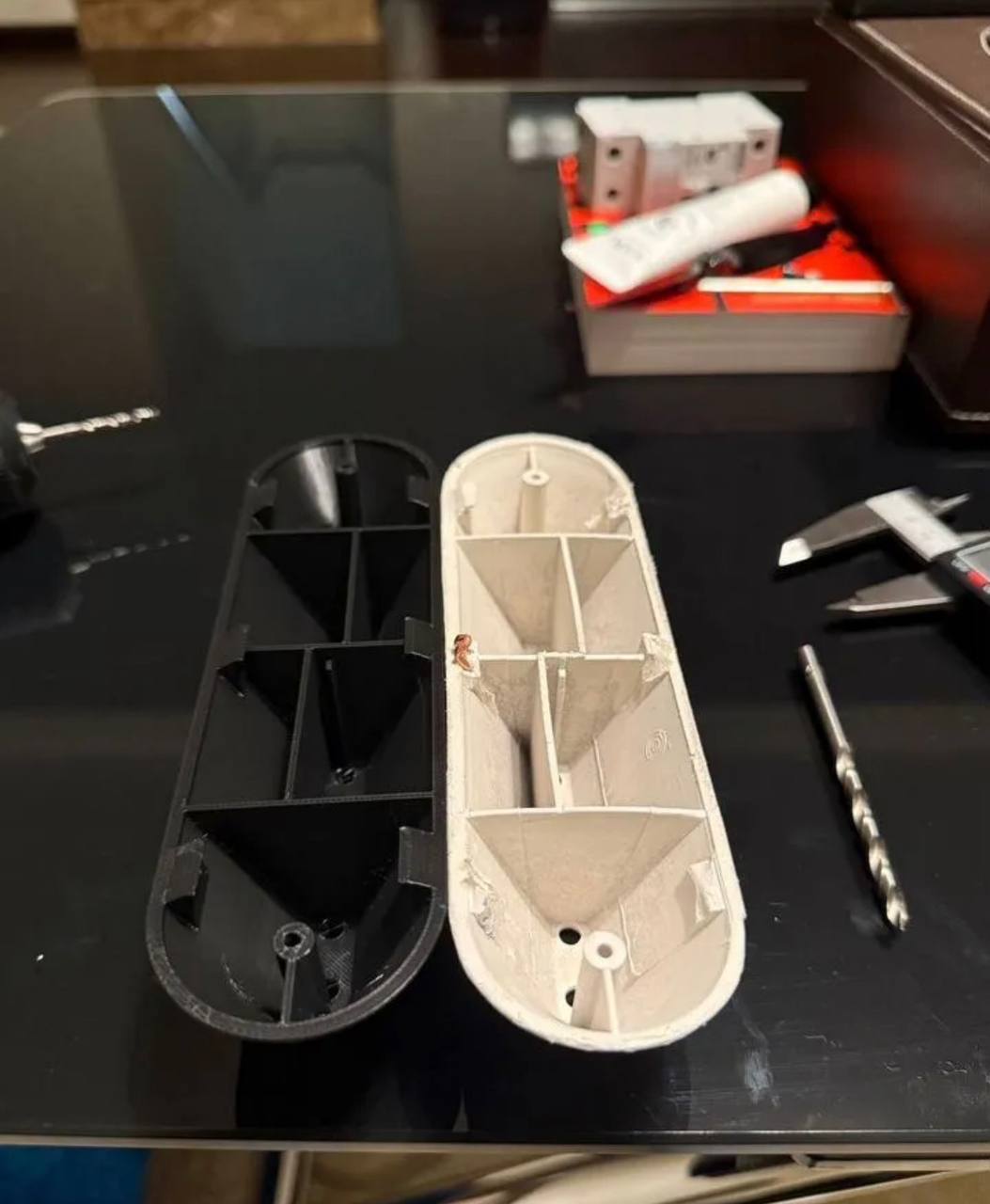
Figure 1: Industrial FDM 3D printing of a structural PA-CF component (explore this and other examples in our project portfolio).
By printing the part in Carbon Fiber Nylon with a dense, optimized infill pattern:
- Weight Reduction: Cut from 450g to 115g (a 74% weight savings), reducing motor wear and increasing robotic cycles.
- Turnaround Time: Delivered in 24 hours, compared to a 10-day lead time for metal CNC routing.
- Cost Efficiency: Total print cost was under $100.
When to Stay with Metal
While PA-CF is revolutionary, metal (CNC aluminum or steel) is still required if your design demands:
- Continuous operating temperatures above 150°C.
- Absolute isotropic strength (3D printed parts are weaker in the Z-axis layer bounds).
- Extremely tight tolerances below +/- 0.05mm.