For many manufacturing facilities, transporting heavy machinery or complex assemblies to a laboratory for inspection is simply impossible. The downtime and logistics costs are too high. On-site 3D scanning solves this challenge by bringing metrology-grade equipment directly to the factory floor.
However, capturing 0.001-inch precision in an active industrial environment comes with unique challenges.
Environmental Hurdles on the Factory Floor
Unlike a temperature-controlled laboratory, a job site contains variables that can affect laser scanning accuracy:
- Vibration: Large stamps, presses, and active assembly lines transmit ground vibrations that can distort scan frame alignments.
- Dust and Aerosols: Active machining spreads fine particulates in the air, which can interfere with optical triangulation.
- Challenging Surfaces: Polished steel, oil slicks, and pitch-black cast irons absorb or scatter laser light.
Our Approach: Portable Metrology Setup
To overcome these elements during a recent project in Los Angeles, our team deployed a portable Artec metrology rig. We scanned an entire multi-component legacy assembly directly in place.
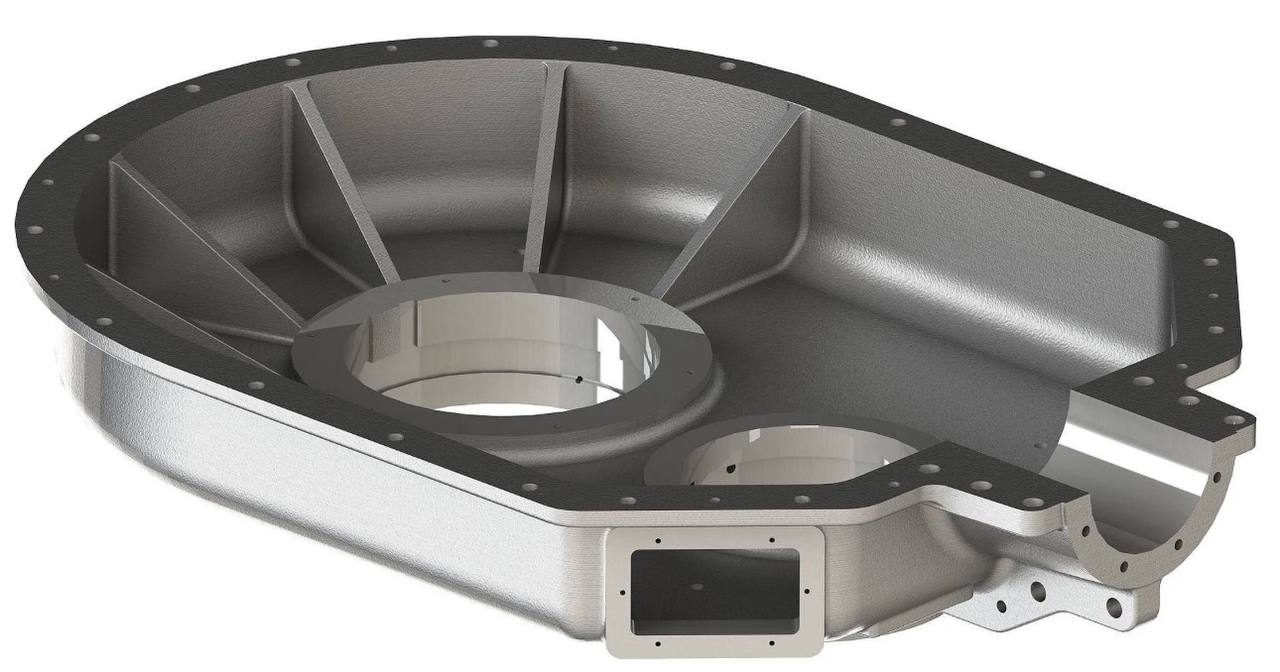
Figure 1: High-precision laser scanning of a mechanical assembly on-site (view more in our project portfolio).
To ensure accuracy:
- Reference Targets: We placed magnetic photogrammetry targets on structural columns to lock global coordinates and prevent drift.
- Surface Prep: We applied a micro-thin, self-evaporating scanning spray to reflective and pitch-black interfaces to establish a uniform matte scanning plane.
- Time Windows: We timed our highest-resolution passes during factory shift-breaks to minimize mechanical vibrations.
Reconstructing As-Built Data
The captured point cloud data was processed, cleaned of background environmental noise, and aligned to generate a complete digital twin mesh. The client used this model to design custom mounting brackets for new robotic arms, guaranteeing a perfect clash-free installation on the first try.